
AMVCA: Are We Celebrating Excellence or Just Catching Cruise?
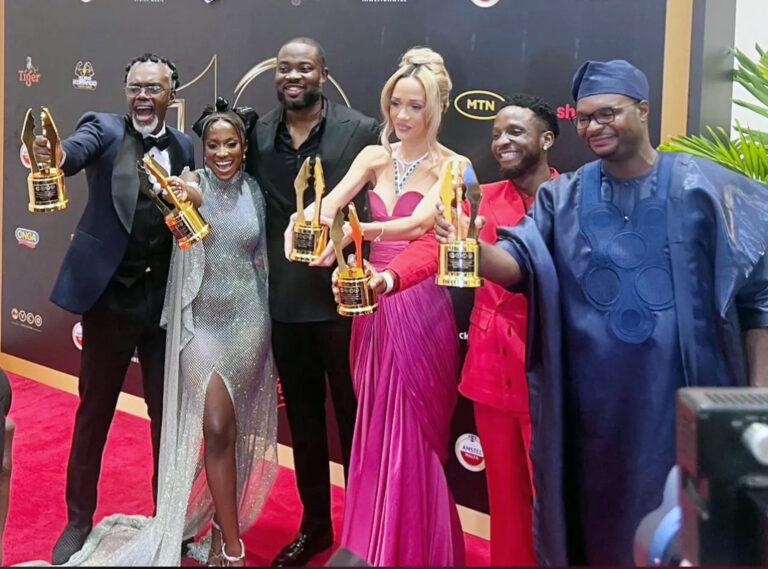
For more than ten years now, the Africa Magic Viewers’ Choice Awards (AMVCA) don position itself as the top award show for African film and television. Since it started in 2013 under Multichoice, the event don grow in popularity, glamour, and influence. But if we dey talk truth, the award still dey battle serious identity issues wey dem never fully resolve.
Every year when dem release nominations, the same arguments go start again. Filmmakers, critics, and everyday viewers go dey ask the same questions: What exactly is AMVCA? Wetin dem dey judge? And how dem dey pick winners?
As the 2026 edition approaches, with the ceremony set for May 9 and veteran actress Joke Silva stepping in as head judge after Femi Odugbemi, many people expect improvement. But from the look of things, the confusion still dey ground.
Film or TV? Nobody Really Knows
One major issue wey people dey complain about be how AMVCA dey mix films and TV series together like say dem be the same thing. A cinema film and a TV series get different structures, production styles, and even audience engagement. So why dem dey compete directly?
Internationally, awards dey clearly defined. The Oscars focus only on films, while the Emmys celebrate television. Even the Golden Globes wey combine both still separate their categories properly.
But AMVCA go just carry everything join together. Actors from movies and series dey compete in the same categories, same with technical awards like editing, sound, and cinematography. Honestly, e just dey confusing.
Pan-African or Just Nigerian?
Another big issue na representation. The award dey marketed as pan-African, but over the years, Nigerian films and actors don dominate the major categories.
When the AMVCA first started, there was an attempt to include films from across Africa. But as time go on, non-Nigerian films begin disappear from the main categories.
Even though there are categories for Indigenous Language films across regions like West, East, South, North, and Central Africa, those ones no carry the same weight as the major awards.
If the award truly wants to represent Africa, then it needs to create more space for diverse voices and stories from across the continent.
When the “Best” No Win
One example wey shock many people na how Mai Martaba, Nigeria’s official submission to the Oscars, no win any award at the AMVCA.
A film wey represent the country internationally coming back home empty-handed just raise serious questions. Are the awards based on quality, popularity, or just vibes?
Sometimes it feels like viral films or commercially successful projects get more attention than critically strong ones.
Missing Films, Missing Logic
Another frustrating issue be how some really good films no even get nominations. Movies wey critics and audiences rate highly just vanish from the list.
This makes people wonder about the selection process. Is there a clear system? Or na random picks?
Without transparency, it becomes hard for people to trust the process.
Nigerians Will Always Talk
One thing wey sure be say Nigerians no go keep quiet. Social media, blogs, and everyday conversations go always full with opinions about AMVCA.
But this constant discussion shows something important—people actually care about Nollywood and want it to grow.
Final Thoughts
At this point, AMVCA feels like a beautiful event with amazing fashion and entertainment, but with structural issues behind the scenes.
The energy is great, the red carpet is always exciting, but the credibility still needs work.
If the award wants to gain global respect, it needs to define its identity clearly, separate film and TV properly, improve transparency, and truly represent Africa.
Until then, the cycle will continue—nominations, confusion, debates, and more debates.
But one thing is certain: Nigerians will keep watching, keep talking, and keep dragging when necessary.

Read More
There is something painfully familiar about hearing an African leader say democracy is not for us. It sounds bold. It sounds revolutionary. And for many Africans who have lived through corruption, it even sounds true. But the real issue is deeper than that. What many African countries practice today is not true democracy—it is a performance. A system that looks good on paper but fails in...
So yeah, it was supposed to be a perfect night. New stadium. Packed crowd. Big energy. And of course, Lionel Messi doing what he does best. But football said: “Not today.” Welcome to the chaotic debut of Inter Miami’s brand-new “NU Stadium” — where history was made, but the script didn’t exactly follow the fairytale ending fans had in mind. Messi =...

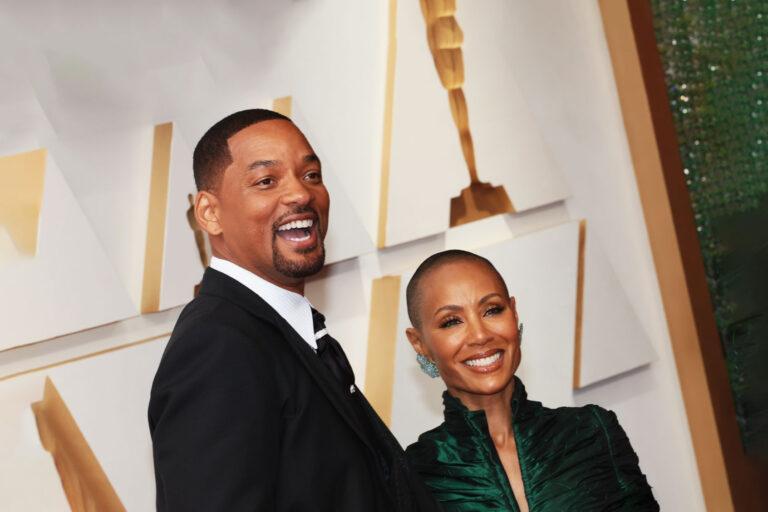
Somehow, some way, Jada Pinkett Smith is trending again—and this time it’s over a resurfaced claim that she “admitted to cheating on Will Smith to protect his ego.” Yes, you read that right. And no, this isn’t even new. The Internet Is Confused… And Lowkey Annoyed 👀 The quote making rounds across social media appears to be a recycled or reworded version of...
One of the most talked-about upcoming films in Hollywood is The Odyssey, an ambitious movie adaptation of the ancient Greek epic that has influenced storytelling for thousands of years. Directed by Christopher Nolan, the filmmaker known for visually spectacular and thought-provoking movies, the project is expected to bring a fresh cinematic vision to one of history’s most famous...
Maintaining a clean environment for cats is crucial for their health, and the Pawtechpet Cat Litter Box Automatic Cleaning provides an innovative solution for hassle-free hygiene. How can this technology simplify daily maintenance and improve your cat's comfort? Traditional litter boxes require frequent scooping and thorough cleaning, tasks that are often unpleasant, time-consuming, and...