
Art: The Language of Human Creativity
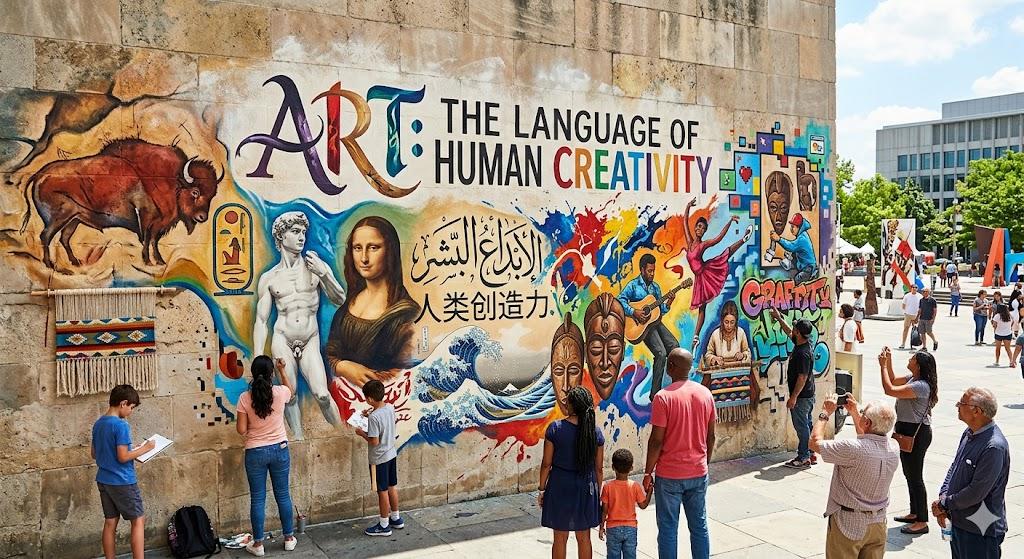
Art is one of the oldest and most powerful forms of human expression. Long before written language existed, early humans were already painting stories on cave walls, carving symbols into stone, and shaping objects that reflected their beliefs and experiences. These early creations were more than decoration; they were a way for people to communicate ideas, record events, and express emotions that words alone could not capture.
At its core, art is the transformation of imagination into something tangible. It can take many forms—painting, sculpture, music, literature, dance, photography, film, and digital design. Each form allows artists to explore different ways of expressing thoughts, emotions, and perspectives. While techniques and styles may change over time, the purpose of art remains deeply connected to the human desire to create and to be understood.
Art also serves as a mirror of society. Through artistic works, we can see how cultures think, what they value, and how they respond to challenges and change. A painting might capture the beauty of nature, a novel may explore the complexity of human relationships, and a piece of music can convey emotions that resonate across languages and borders. In this way, art connects people from different backgrounds and time periods, allowing them to share experiences even if they live centuries apart.
Another important aspect of art is its ability to inspire thought and emotion. A single image, melody, or story can make someone feel joy, curiosity, sadness, or hope. Art encourages people to look at the world from new perspectives and to question what they believe they already understand. Because of this, art often plays a role in social change, challenging traditions and encouraging new ways of thinking.
In the modern world, art continues to evolve with technology. Digital tools, virtual reality, and online platforms have opened new opportunities for creativity and collaboration. Artists can now share their work instantly with global audiences, blending traditional techniques with modern innovation. Despite these technological changes, the heart of art remains the same: the desire to express, communicate, and explore the human experience.
Ultimately, art is not limited to museums or galleries. It exists wherever creativity and imagination are used to transform ideas into meaningful expression. Whether created by a professional artist or someone simply exploring their creativity, art remains a vital part of how humans understand themselves and the world around them.
Διαβάζω περισσότερα
Arre yaar, Sam Raimi is one of those directors who doesn’t need any introduction at all—especially if you’ve even slightly followed horror films. From The Evil Dead trilogy to Spider-Man series, Drag Me to Hell and more, the man has been delivering solid cinema for decades. Total legend vibes. People may know Raimi for different genres, but let’s be honest—horror...
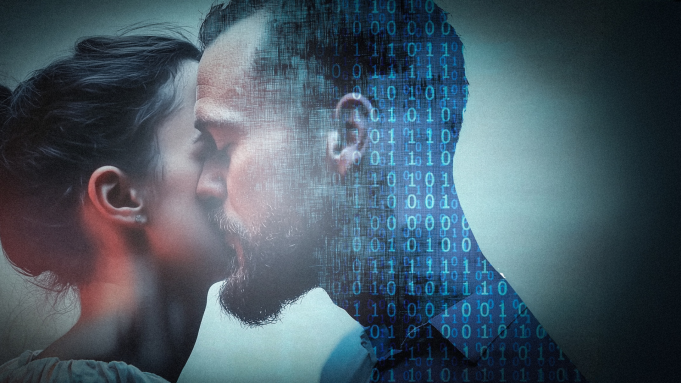
Arre yaar, these days Artificial Intelligence is literally everywhere — from office meetings to your own bedroom space. It’s not just about work anymore; people are getting emotionally attached, and in some cases, even exploring intimate sides with it. Full-on next level scene, boss. And now, there’s a new term doing rounds — “AI-sexual.” Sounds filmy, but...
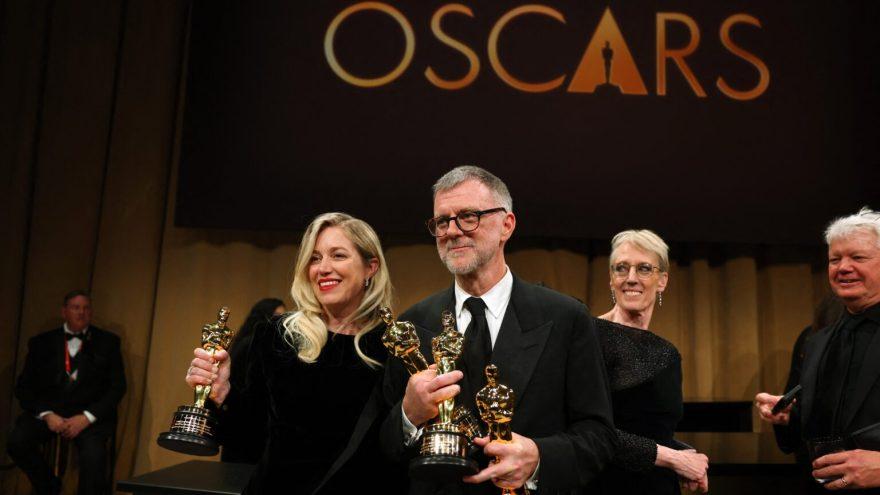
Every year Hollywood gathers for one big, glamorous night where stars dress to the nines, cameras flash like mad, and someone inevitably cries during their acceptance speech. The 98th Academy Awards on March 15, 2026, was exactly that kind of night—dramatic, emotional, and at times a bit chaotic in the best possible way. Held at the legendary Dolby Theatre in Los Angeles, the...
After years of fans arguing, guessing, and forming wild theories online, Hilary Duff has finally opened up about the big mystery behind How I Met Your Father. Unlike its parent show How I Met Your Mother, which had the luxury of stretching its storyline across nine seasons, the newer series didn’t get that chance. It was cut short after just two seasons, leaving viewers hanging without...

If you thought the story ended when Behind The Scenes smashed box office records, think again. Because the real play? It started after the cinemas. After grossing over ₦2.7 billion, the record-breaking Nollywood hit officially landed on Netflix on April 3—and this wasn’t just a release… it was strategy. 💰 The ₦2.7B Illusion: Big Numbers, Smaller Pockets On paper, ₦2.7B looks...