


Airtel & Starlink Are Bringing Internet Straight From Space
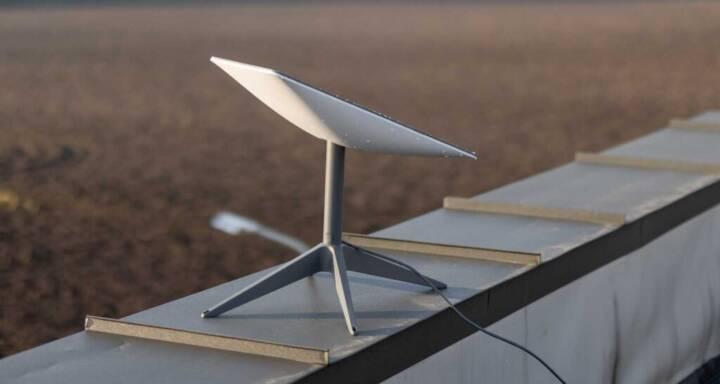
A quiet revolution is unfolding in Africa’s telecom space, and it might completely change how people stay connected. Airtel Africa has partnered with SpaceX’s Starlink to test a new kind of mobile connectivity — one that doesn’t rely on traditional network towers at all.
Instead, it uses satellites orbiting the Earth.
The companies recently carried out successful trials in Kenya, specifically targeting areas where there is no mobile network coverage. These are the kinds of places where your phone usually shows zero bars and becomes almost useless for communication. But during the test, something different happened. Regular 4G smartphones were able to connect directly to Starlink’s satellite network without needing any special hardware or modifications.
Users could send messages, make WhatsApp calls, check maps, and even complete financial transactions. All of this happened in areas that previously had no signal whatsoever. It’s a major shift from the way mobile networks have traditionally worked, where connectivity depends entirely on ground-based infrastructure like cell towers.
This new system essentially turns satellites into floating cell towers in space. So instead of your phone searching for the nearest tower, it connects upward to satellites when there’s no terrestrial network available. It’s a simple idea, but the impact could be huge, especially in regions where building and maintaining telecom infrastructure is difficult or too expensive.
From what is currently known, the rollout of this technology is expected to begin gradually from 2026. The initial phase will likely focus on basic services like messaging and light data usage. Over time, newer satellite technology is expected to unlock more advanced features such as voice calls and faster internet speeds directly on mobile devices.
The expansion plan covers Airtel Africa’s footprint, which spans 14 countries across the continent. Kenya is just the starting point, with other countries like Nigeria, Uganda, Tanzania, and Zambia expected to follow once regulatory approvals are secured. Each country will have its own timeline depending on how quickly authorities approve the service.
One of the biggest unanswered questions right now is cost. While official pricing has not been released, it’s unlikely to be completely free. A more realistic expectation is that it will be offered as a premium service or bundled option, possibly similar to roaming or specialized data plans. The advantage, however, is that users won’t need to buy expensive equipment like satellite dishes, which makes it far more accessible than traditional satellite internet services.
In my view, this technology isn’t trying to replace existing mobile networks — at least not yet. Instead, it fills a critical gap. There are still millions of people across Africa who live or travel through areas with little to no network coverage. For them, this could be the difference between being completely cut off and staying connected.
It also has serious implications beyond convenience. Think about emergencies in remote areas, farmers working far from cities, or travelers on long highways. Having even basic connectivity in those situations can be incredibly valuable.
Looking ahead, the real game-changer will be the next phase of this technology. As more advanced satellites are deployed, the quality of connection is expected to improve significantly. What starts as simple messaging could evolve into full voice communication and high-speed internet access, all without relying on ground infrastructure.
If that happens, the idea of “no network” might slowly become a thing of the past.
This partnership between Airtel Africa and SpaceX feels like an early glimpse into that future — one where connectivity is no longer limited by geography, and where your phone stays connected no matter where you are.
Read More
In today’s internet age, investing has become dangerously romanticized. Social media timelines are flooded with screenshots of overnight profits, crypto millionaires, and “next big opportunities” promising instant wealth. For many young people, investing now feels less like strategy and more like chasing trends. But real investing has never been about hype. At its core, wealth...
Every year before the Oscars, Hollywood usually buzzes about the same things: who might win Best Picture, which actor gave the performance of the year, or what outrageous outfit might appear on the red carpet. But this year, something unusual is stealing the spotlight — a joke that won’t even be told. And somehow, that joke has already become one of the most talked-about moments...

There is something painfully familiar about hearing an African leader say democracy is not for us. It sounds bold. It sounds revolutionary. And for many Africans who have lived through corruption, it even sounds true. But the real issue is deeper than that. What many African countries practice today is not true democracy—it is a performance. A system that looks good on paper but fails in...
For decades, people have been taught to believe that the more expensive a meal is, the better it must be. Fine dining restaurants, celebrity chefs, and luxury menus often carry an image of superior quality and taste. But a growing number of food lovers are starting to question that assumption. Is expensive restaurant food truly better, or are we simply paying for presentation, atmosphere, and...

I’ll be honest — when I first got my hands on the Logitech G Pro X2 Superstrike, I really wanted to love it. On paper, it sounds like one of those “this changes everything” kind of gaming mice. And to be fair, Logitech clearly tried to do something bold here. But after actually using it? I’ve got mixed feelings. US$179.99 at Amazon Let’s start with the good...