

How to Turn the Itel Power Go Into a Mini Solar Generator
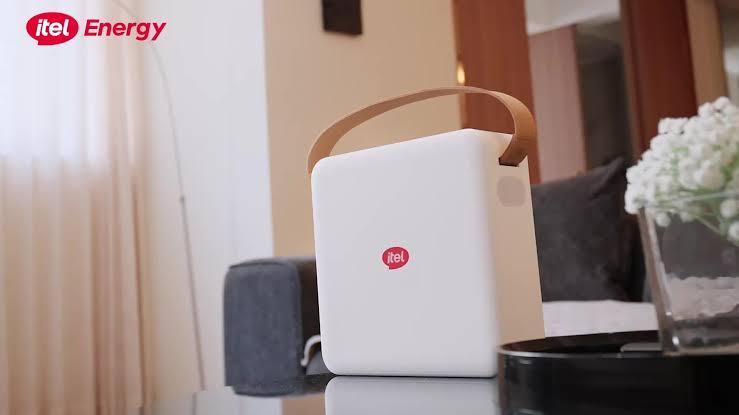
Portable power stations are becoming one of the hottest tech accessories right now, especially in places where power outages are common. But one question keeps coming up: Can you actually connect a solar panel directly to the Itel Power Go safely?
The answer is yes — and according to one hands-on walkthrough, the process is surprisingly simple.
The video breaks down exactly how to connect the Itel Power Go to a solar panel, the kind of panel you should buy, and the dangerous mistake that could permanently damage the device if you’re not careful.
The Itel Power Go Is Already Solar-Ready
One of the most useful things included inside the box is a dedicated DC-to-PV input cable. That cable is specifically designed for solar charging and supports up to 100 watts input.
According to the walkthrough, the ideal setup is a:
- 200W solar panel
- 18 volts
At first glance, recommending a 200W panel for a device that supports 100W input might sound strange. But there’s a good reason for it.
Solar panels rarely deliver their full advertised output in real-world conditions. Heat, sunlight intensity, cable losses, and efficiency limitations all affect performance. A 100W panel may never consistently produce a true 100W during normal daytime use.
That’s why the recommendation is to overspec slightly with a 200W, 18V panel if you want faster and more stable charging performance.
Voltage Matters More Than Wattage
The biggest warning in the entire demo has nothing to do with wiring — it’s about voltage.
To explain the risk, the presenter shows a massive 550W solar panel already installed for a home solar setup. While it may seem tempting to connect such a powerful panel to the Itel Power Go, there’s one major problem:
The panel outputs around 49 volts.
That’s far beyond what the portable power station is designed to handle.
Instead of risking damage just for the sake of a demonstration, the creator refuses to connect it, warning that using panels above the supported voltage specifications could burn the charging system entirely.
The lesson is simple:
Always check the voltage rating on your solar panel before connecting it to the Itel Power Go.
Large residential panels often operate at voltages much higher than compact portable power stations can safely accept.
Connecting the Solar Panel Is Actually Easy
Once you have the correct solar panel, the setup process becomes incredibly straightforward.
Like most solar systems, the panel has two terminals:
- Positive (+)
- Negative (-)
The included Itel Power Go cable follows standard color coding:
- Red wire = Positive
- Black wire = Negative
The process goes like this:
- Get a small extension wire
- Strip the wire ends
- Connect the black wire to the negative terminal
- Connect the red wire to the positive terminal
- Plug the connector into the PV input port on the Itel Power Go
And that’s basically it.
The walkthrough even explains that thick electrical wiring isn’t necessary because the setup uses low-voltage DC power, not heavy house wiring.
Still, beginners are advised to let an electrician handle the installation if they’re uncomfortable working with wires.
Full Charging in Under Three Hours?
According to the demo, the recommended 200W, 18V setup can fully charge the Itel Power Go in less than three hours under good sunlight conditions.
That turns the portable battery into something much more practical than just a backup charger.
It can comfortably support devices like:
- 5G routers
- Smartphones
- Tablets
- LED lights
- Small electronics
One example shown in the video features another user running an Airtel 5G router while charging the power station directly from solar power.
For people dealing with unstable electricity, that kind of setup can be genuinely useful.
Small Solar Setups Are Becoming Mainstream
What makes the Itel Power Go setup interesting is how accessible it feels.
A few years ago, solar power sounded expensive and complicated. Now, compact power stations are making off-grid backup power far more beginner-friendly.
You don’t need a full rooftop installation to keep your devices powered anymore.
You just need:
- The right solar panel
- Basic wiring knowledge
- Careful attention to voltage limits
And if there’s one takeaway from the entire walkthrough, it’s this:
The wrong voltage can destroy your device faster than the wrong wattage.
Stick to the recommended 18V solar panels, connect the terminals correctly, and the Itel Power Go becomes a surprisingly capable mini solar generator for everyday use.
Lire la suite
The idea of working out for a full hour every day sounds great… until real life shows up. Work, school, random tiredness, “I’ll start tomorrow” — it’s always something. That’s exactly why exercise snacking is starting to feel like a cheat code. Instead of forcing yourself into one long, exhausting workout, this approach is all about doing small bits of...

Portable power stations are becoming one of the hottest tech accessories right now, especially in places where power outages are common. But one question keeps coming up: Can you actually connect a solar panel directly to the Itel Power Go safely? The answer is yes — and according to one hands-on walkthrough, the process is surprisingly simple. The video breaks down exactly how to connect...
The excitement around the 2026 FIFA World Cup is already building. With more teams, massive stadiums, and millions of fans watching from around the world, the tournament promises drama, surprises, and unforgettable moments. But let’s be honest—every World Cup begins with the same big question: who is actually going to win it? Based on current talent, squad depth, experience, and...

After years of fans arguing, guessing, and forming wild theories online, Hilary Duff has finally opened up about the big mystery behind How I Met Your Father. Unlike its parent show How I Met Your Mother, which had the luxury of stretching its storyline across nine seasons, the newer series didn’t get that chance. It was cut short after just two seasons, leaving viewers hanging without...

A quiet revolution is unfolding in Africa’s telecom space, and it might completely change how people stay connected. Airtel Africa has partnered with SpaceX’s Starlink to test a new kind of mobile connectivity — one that doesn’t rely on traditional network towers at all. Instead, it uses satellites orbiting the Earth. The companies recently carried out successful trials...