
Why Everyone Is Suddenly Obsessed With “Soft Wellness” — And Honestly, It Might Be Exactly What We Need
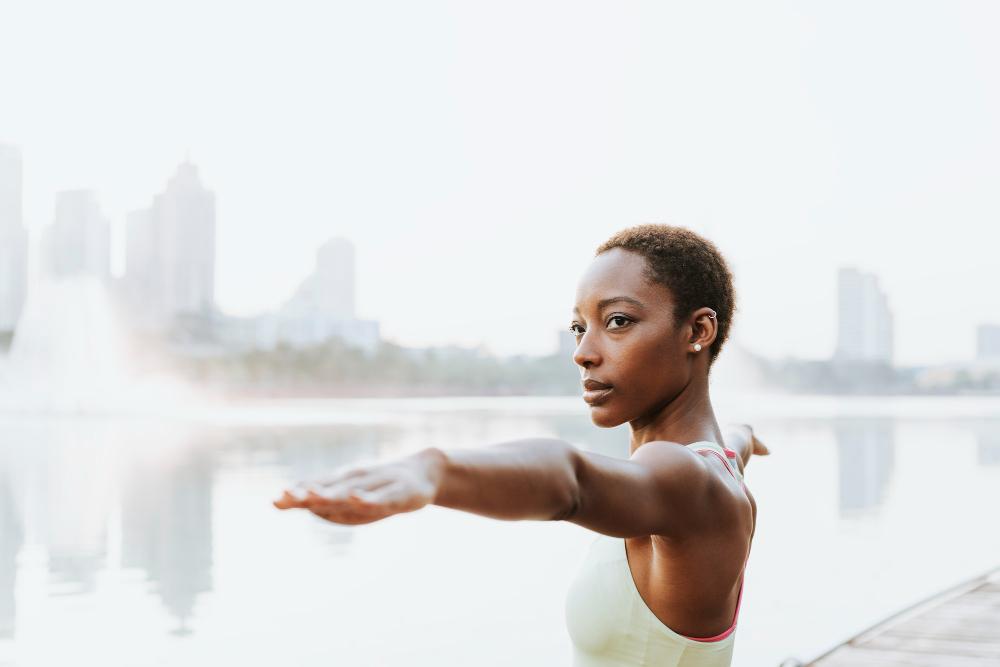
For years, wellness felt like a competition.
Your smartwatch told you how well you slept. Your fitness app graded your workout. Even meditation apps started handing out streaks like you were playing a game. Somewhere along the way, “taking care of yourself” started to feel like another job.
But a new shift is quietly happening in the wellness world—and people are breathing a sigh of relief.
Welcome to the era of soft wellness.
The Burnout From “Perfect” Health
The modern wellness industry is massive, worth trillions globally, but it has also created an unexpected side effect: pressure. With constant health tracking, diet trends, and performance metrics, many people feel like they’re failing at wellness rather than benefiting from it.
Experts say that the obsession with optimizing every part of our lives—sleep scores, calorie targets, productivity routines—has pushed many people into a state of stress instead of balance.
So the trend is starting to swing in the opposite direction.
Instead of doing more, people are trying to do less.
The Rise of “Soft” Wellness
One of the biggest wellness trends right now is simplicity: slower routines, gentle habits, and less pressure to be perfect. Social media has even coined names for it—things like “Soft January” or slow self-care—where the focus is on small, manageable habits rather than extreme transformations.
Think:
-
Taking a walk without tracking steps
-
Journaling instead of productivity planning
-
Cooking nourishing meals instead of chasing strict diets
-
Going to bed earlier instead of optimizing sleep metrics
It sounds simple, but that’s exactly the point.
After years of extreme wellness routines, people are rediscovering that feeling better often comes from slowing down.
Mental Fitness Is Becoming the New Gym
Another reason this shift is happening? People are finally treating mental health like physical health.
Practices like breathwork, meditation, nervous-system regulation, and sound therapy are becoming everyday wellness tools, not just niche spiritual practices.
The idea is simple: if your mind is constantly overwhelmed, no amount of green smoothies or workout plans will fix it.
So instead of chasing perfect bodies, people are starting to prioritize calmer nervous systems.
Wellness Is Becoming More Personal
At the same time, technology is changing how people approach self-care. Wearables, health apps, and personalized nutrition tools are helping individuals understand their own bodies instead of following generic advice.
But interestingly, even with all this technology, the biggest wellness insight right now might be surprisingly old-fashioned:
Listen to your body.
Not your app.
The Real Future of Wellness
If the past decade of wellness was about optimization, the next one might be about permission.
Permission to rest.
Permission to move slowly.
Permission to not have a perfectly curated morning routine.
Because the truth is, wellness isn’t a checklist.
It’s a feeling.
And right now, the world seems ready to feel a little lighter.
Leia mais
Image: BY GOOGLE GEMINI In 2026, one of the biggest trends shaping the internet is the rapid rise of artificial intelligence in everyday digital platforms. From social media to blogging websites and creative tools, AI is changing how people create, publish, and discover content online. Just a few years ago, AI was mostly used for simple automation like chatbots or basic recommendations. Today,...
Zimbabwe is currently at the center of a growing political debate that could reshape the country’s democratic system in a major way. A proposed constitutional amendment has triggered intense discussions both online and offline, with citizens, analysts, and political figures all weighing in. At the heart of the controversy is a bold idea: removing direct presidential elections and shifting...

Arre yaar, Sam Raimi is one of those directors who doesn’t need any introduction at all—especially if you’ve even slightly followed horror films. From The Evil Dead trilogy to Spider-Man series, Drag Me to Hell and more, the man has been delivering solid cinema for decades. Total legend vibes. People may know Raimi for different genres, but let’s be honest—horror...

There are some days when life moves quietly and predictably. And then there are days like tomorrow—when the atmosphere feels slightly different, like the universe woke up and decided to shake things up just a little. If tomorrow had a personality, it would be that friend who randomly calls you at midnight and says, “Ela, let’s go for a drive.” Unexpected. Slightly...

The excitement around the 2026 FIFA World Cup is already building. With more teams, massive stadiums, and millions of fans watching from around the world, the tournament promises drama, surprises, and unforgettable moments. But let’s be honest—every World Cup begins with the same big question: who is actually going to win it? Based on current talent, squad depth, experience, and...