


Big Fish Moves Different: Kwankwaso’s Strategic Switch Isn’t Random—It’s Calculated Power Play
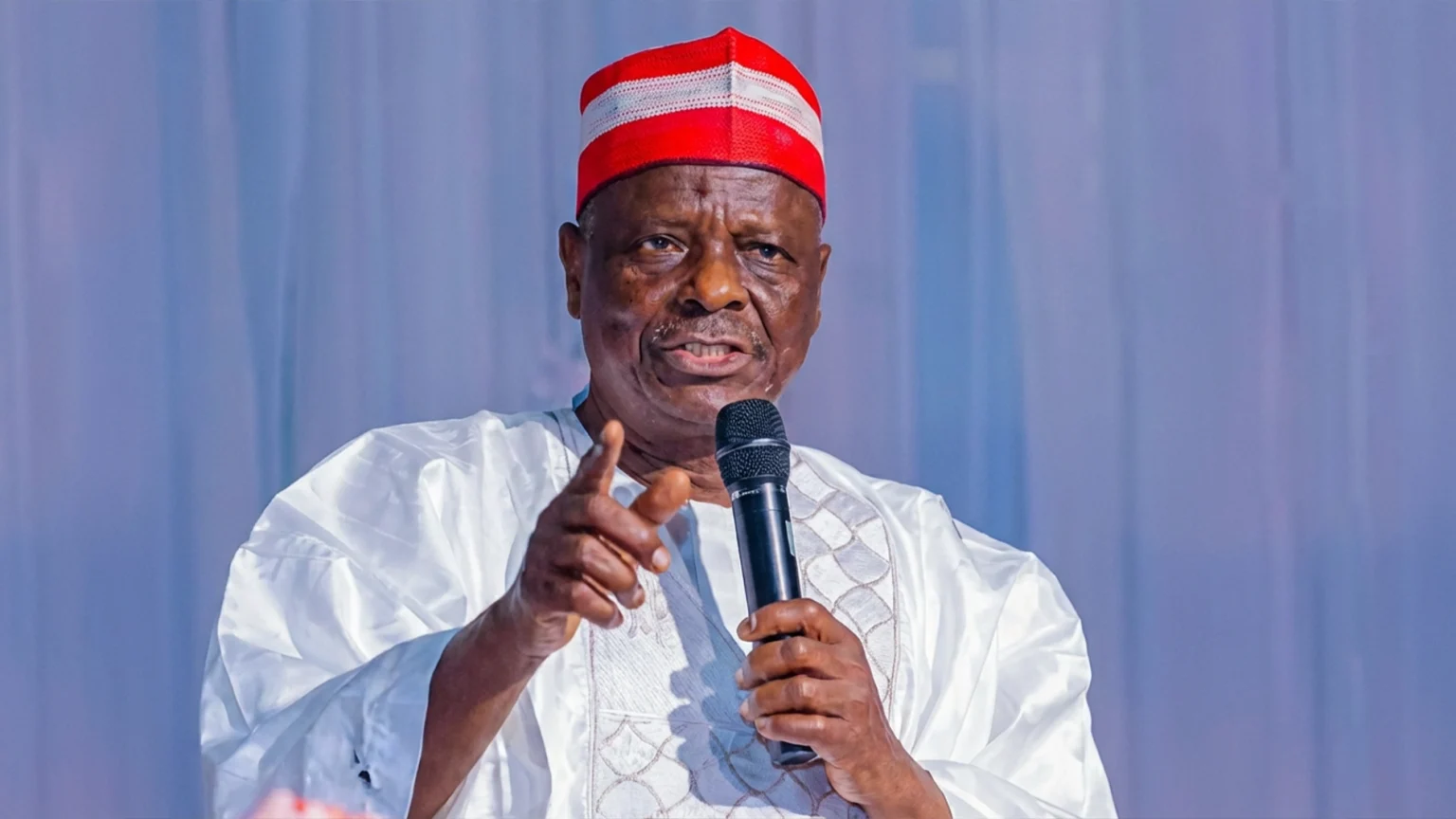
The quiet political recalibration surrounding Rabiu Musa Kwankwaso is anything but ordinary. His planned exit from the New Nigeria Peoples Party (NNPP) and movement toward the African Democratic Congress (ADC) signals more than a routine defection—it reveals a carefully engineered shift in power, rooted in influence, timing, and long-term ambition.
Kwankwaso’s politics has always revolved around structure, particularly in Kano State, where his Kwankwasiyya movement remains one of the most formidable grassroots machines in the country. It is no surprise, then, that before entertaining any move to ADC, he focused less on titles and more on control. His primary concern was not simply joining a new platform, but ensuring that the platform could accommodate—and preserve—his political dominance in Kano.
Negotiations reflected this priority. Kwankwaso reportedly insisted on having decisive influence over who emerges as ADC’s governorship candidate in Kano. This was not a symbolic request; it was a demand for structural authority. In Nigerian politics, control of a state like Kano translates directly into national bargaining power. By securing this concession, Kwankwaso effectively guarantees that his relevance remains intact, regardless of the party banner he operates under.
ADC, for its part, understood the weight of what was on the table. Accepting Kwankwaso’s conditions meant more than accommodating a new entrant—it meant inheriting a political network with deep electoral value. The party’s willingness to grant him a strong leadership role, particularly within Kano, reflects a recognition of his stature. In one move, ADC transitions from a peripheral player to a party with credible northern influence.
Yet, the negotiations were not without limits. Kwankwaso’s attempt to secure a guaranteed vice-presidential slot for 2027 did not succeed. On the surface, this appears to be a notable concession. However, a closer reading suggests it may have been a calculated retreat rather than a defeat. By not locking himself into a fixed arrangement, Kwankwaso preserves strategic flexibility—especially in a political environment where coalitions and alignments remain fluid.
Should a figure like Peter Obi or another southern candidate emerge as a dominant presidential contender, Kwankwaso’s profile as a northern power broker immediately positions him as a leading vice-presidential option. In that sense, foregoing a rigid guarantee today may actually strengthen his bargaining power tomorrow.
What makes this development particularly significant is the scale of the political capital involved. Kwankwaso is not merely another defector; he is a central figure with an established base, loyal allies, and a recognizable political identity. Reports that members of his inner circle may follow him into ADC only deepen the impact of the move. This is less an individual transition and more a migration of influence.
The implications extend beyond Nigeria. Across parts of Africa, particularly in countries like Kenya and South Africa, similar patterns have emerged in recent years, where political actors prioritize influence and coalition-building over rigid party loyalty. Parties become vehicles, while power remains anchored in personalities and networks. Kwankwaso’s strategy fits squarely within this broader continental trend.
Ultimately, the unfolding shift is best understood as an early move in the long game toward 2027. Both Kwankwaso and ADC appear to have accepted a degree of compromise, but neither side leaves the table empty-handed. ADC gains immediate credibility and access to a powerful northern base, while Kwankwaso secures the institutional space needed to sustain—and potentially expand—his influence.
He did not get everything he asked for. But he secured enough to move.
And in Nigerian politics, “enough” is often the difference between relevance and irrelevance.
Διαβάζω περισσότερα
Today’s energy isn’t loud or chaotic — it’s quiet, deep, and a little bit magical. March 18 carries that “start again, but this time do it right” kind of vibe. If life has been feeling somehow off lately, don’t panic… this is the universe gently pushing you to reset. Think of it like this: not everything needs to crash before it changes....

If you’ve been anywhere near Nigerian Twitter (sorry, X), TikTok, or even your group chats lately, then you already know one thing: The Return of Arinzo isn’t just a movie — it’s a full-blown cultural moment. Led by Nollywood icon Iyabo Ojo, the long-awaited sequel has pulled in a jaw-dropping ₦224 million in just two weeks at the West African box office. Yes, you read...

Maintaining a clean environment for cats is crucial for their health, and the Pawtechpet Cat Litter Box Automatic Cleaning provides an innovative solution for hassle-free hygiene. How can this technology simplify daily maintenance and improve your cat's comfort? Traditional litter boxes require frequent scooping and thorough cleaning, tasks that are often unpleasant, time-consuming, and...

Google has introduced new pricing options for its Gemini API, making it easier for businesses and developers to control how much they spend on artificial intelligence. If you're not into tech, don’t worry—this guide breaks everything down in a simple and clear way. Simple idea: You now pay based on how fast you want results and how important the task is. What Is the Gemini...
Every year Hollywood gathers for one big, glamorous night where stars dress to the nines, cameras flash like mad, and someone inevitably cries during their acceptance speech. The 98th Academy Awards on March 15, 2026, was exactly that kind of night—dramatic, emotional, and at times a bit chaotic in the best possible way. Held at the legendary Dolby Theatre in Los Angeles, the...