


Why Smart Money Sticks to What It Understands
In today’s internet age, investing has become dangerously romanticized. Social media timelines are flooded with screenshots of overnight profits, crypto millionaires, and “next big opportunities” promising instant wealth. For many young people, investing now feels less like strategy and more like chasing trends.
But real investing has never been about hype.
At its core, wealth creation remains surprisingly simple: smart investors put money into things they understand.
There are countless investment options in today’s economy, but most successful investors eventually build their strategy around two major principles.
1. Invest in What Is Already Paying You
The first and often most overlooked investment is your own business, skill, or source of income.
If your business is already generating revenue, reinvesting into it can produce stronger and more predictable returns than blindly entering unfamiliar markets. Expanding operations, improving marketing, upgrading equipment, or hiring better talent can directly increase income because you already understand the ecosystem you operate in.
This is why many entrepreneurs continuously reinvest in themselves before diversifying elsewhere.
The logic is simple: people tend to make better financial decisions in industries they already understand.
2. Invest in Businesses With Proven Success
The second major investment path is owning shares in successful companies through the stock market.
Rather than chasing every trending opportunity, experienced investors typically focus on businesses with:
- Strong leadership
- Consistent revenue
- Long-term growth potential
- A proven track record
This is where discipline becomes important.
Many people assume that because wealthy individuals are investing in a company, everyone else should immediately follow. But investing without understanding is simply speculation wearing expensive clothes.
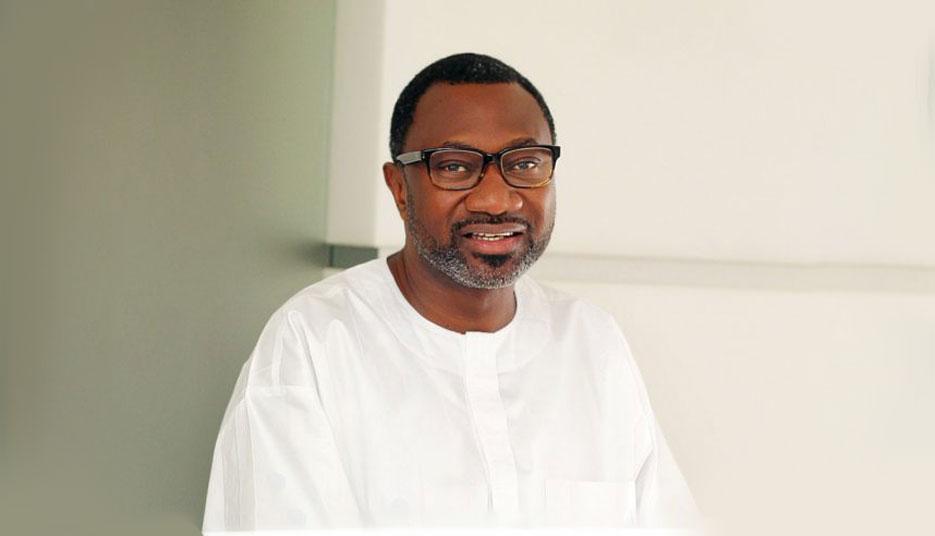
For example, Nigerian billionaire Femi Otedola recently announced plans to invest approximately $100 million in the proposed Dangote Refinery IPO. Yet decisions like these are backed by years of market experience, access to financial analysis, and an understanding of the business structure itself.
Copying wealthy investors without understanding their reasoning can be financially dangerous.
The 80/20 Rule of Smarter Investing
One of the healthiest investment approaches is balancing stability with calculated risk.
A practical model many investors follow is:
- 80% in investments they understand
- 20% in speculative opportunities
The larger portion remains in familiar territory — businesses, industries, or assets with predictable behavior. The smaller portion is reserved for experimentation, whether that involves emerging technologies, startup ventures, cryptocurrencies, or high-risk growth opportunities.
This balance allows investors to learn without exposing themselves to catastrophic losses.
Over time, if a speculative investment consistently performs well and becomes better understood, an investor may gradually increase exposure. But the key difference is education and patience.
Smart investors study first. The internet often encourages people to gamble first and learn later.
When Speculation Becomes Dangerous
The problem is not speculation itself. Every major investment carries some level of uncertainty.
The real danger begins when speculation becomes the foundation of someone’s financial life.
Many beginners unknowingly reverse the formula:
- 80% speculation
- 20% stable investments
This creates fragile financial systems built entirely on hype, emotion, and market excitement. When trends collapse, panic follows.
History has repeatedly shown that sustainable wealth is rarely built through impulsive decisions. Instead, long-term wealth usually comes from ownership, consistency, patience, and reinvesting profits over time.
The Most Important Investment Question
Before putting money into any opportunity, every investor should ask one simple question:
“Do I truly understand how this business makes money?”
That single question can prevent countless financial mistakes.
Because in the end, the safest investment is often not the trendiest one — it is the one you understand well enough to hold confidently even when the noise begins.
Leia mais
One of the most talked-about upcoming films in Hollywood is The Odyssey, an ambitious movie adaptation of the ancient Greek epic that has influenced storytelling for thousands of years. Directed by Christopher Nolan, the filmmaker known for visually spectacular and thought-provoking movies, the project is expected to bring a fresh cinematic vision to one of history’s most famous...

If you’ve been anywhere near Nigerian Twitter (sorry, X), TikTok, or even your group chats lately, then you already know one thing: The Return of Arinzo isn’t just a movie — it’s a full-blown cultural moment. Led by Nollywood icon Iyabo Ojo, the long-awaited sequel has pulled in a jaw-dropping ₦224 million in just two weeks at the West African box office. Yes, you read...

Google has introduced new pricing options for its Gemini API, making it easier for businesses and developers to control how much they spend on artificial intelligence. If you're not into tech, don’t worry—this guide breaks everything down in a simple and clear way. Simple idea: You now pay based on how fast you want results and how important the task is. What Is the Gemini...
If you are a fan of the United States Men’s National Team, the Joe Scally Jersey is a must-have addition to your collection. Joe Scally is one of the most promising young defenders in American soccer, known for his speed, defensive awareness, and consistency on the field. Wearing a Joe Scally jersey lets you show support for the future of USMNT while enjoying a modern, athletic...

Today’s energy isn’t loud or chaotic — it’s quiet, deep, and a little bit magical. March 18 carries that “start again, but this time do it right” kind of vibe. If life has been feeling somehow off lately, don’t panic… this is the universe gently pushing you to reset. Think of it like this: not everything needs to crash before it changes....