
Zimbabwe’s Debate Over Scrapping Presidential Elections Sparks Tension
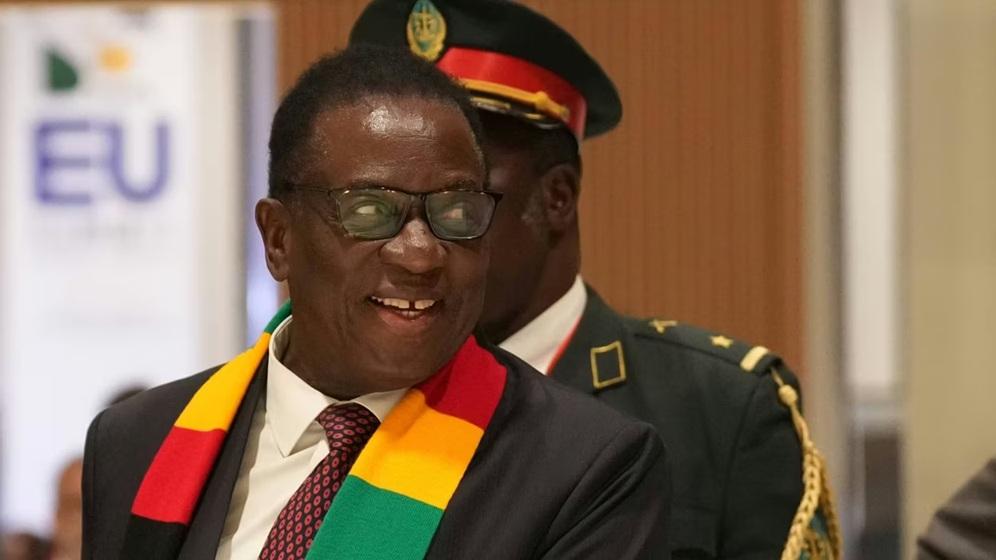
Zimbabwe is currently at the center of a growing political debate that could reshape the country’s democratic system in a major way. A proposed constitutional amendment has triggered intense discussions both online and offline, with citizens, analysts, and political figures all weighing in.
At the heart of the controversy is a bold idea: removing direct presidential elections and shifting that responsibility to Parliament.
What Is the Proposal About?
The debate is tied to a proposed constitutional reform known as the Amendment No. 3 Bill. If passed, it would introduce several significant changes to Zimbabwe’s political structure.
One of the most talked-about provisions is the plan to scrap direct presidential elections, meaning citizens would no longer vote directly for their president. Instead, Members of Parliament would select the head of state.
In addition to that, the proposal includes:
- Extending presidential terms from five years to seven years
- Potentially delaying the next general election cycle
- Adjusting how executive power is structured within the government
These changes, taken together, could significantly alter how leadership is chosen and maintained in Zimbabwe.
Why Is This Causing So Much Debate?
Unsurprisingly, the proposal has divided opinion across the country.
Public hearings and discussions have reportedly been heated, reflecting how strongly people feel about the issue. For many Zimbabweans, this is not just a policy change — it’s a question about the future of democracy in their country.
Supporters Say It Could Bring Stability
Those in favor of the proposal argue that it could help address some long-standing challenges associated with elections in Zimbabwe.
Supporters point to:
- Election-related violence during past voting periods
- The high financial cost of organizing nationwide elections
- The potential for political instability during election cycles
From this perspective, allowing Parliament to elect the president could reduce tensions and create a more controlled and predictable political process.
Some citizens also believe that reforms like this could shift focus toward governance rather than constant campaigning.
Critics Warn of Democratic Backsliding
On the other side of the debate, critics have raised serious concerns about what the changes could mean for democratic participation.
Opponents argue that:
- Removing direct elections would limit citizens’ voting power
- It could concentrate political control within a small group of lawmakers
- The reforms may benefit those already in power, making it harder for leadership to change
Some analysts and political voices have gone as far as describing the proposal as a strategic move that could extend the dominance of the current political establishment.
For many critics, the key issue is simple: who should have the final say in choosing a president — the people or Parliament?
Is This a Political Strategy or Public Demand?
The reality appears to be a mix of both.
There is evidence that some Zimbabweans genuinely support the idea, particularly those who are concerned about election violence and instability. Their support reflects real frustrations with how elections have been conducted in the past.
However, political analysts also point out that shifting presidential selection to Parliament could significantly favor the ruling party, especially if it already holds a strong majority in the legislature.
This has led to speculation that the proposal may not just be about reform, but also about consolidating political power.
What Happens Next?
As debates continue, the future of the proposal remains uncertain. Constitutional changes of this scale typically require broad support, and the level of public disagreement suggests that the process may not be straightforward.
What is clear, however, is that the outcome will have lasting implications for Zimbabwe’s political system.
The Bigger Picture
This debate goes beyond one policy change. It raises fundamental questions about governance, representation, and accountability.
- Should leaders be chosen directly by the people?
- Can stability justify reducing electoral participation?
- How should countries balance efficiency with democratic principles?
For Zimbabwe, these are no longer abstract questions — they are immediate and deeply consequential.
Final Thoughts
Zimbabwe’s discussion about scrapping presidential elections highlights the complexity of political reform in modern democracies.
While some see an opportunity to reduce conflict and improve stability, others view it as a potential step away from democratic norms.
As the conversation continues, one thing remains certain: decisions made now could shape the country’s political future for years to come.
Leia mais
It looks like Disney’s live-action version of Tangled is slowly coming together, and honestly… the casting news just keeps getting better. The studio already has two exciting leads lined up: Teagan Croft as Rapunzel and Milo Manheim stepping into the charming rogue role of Flynn Rider. Fans were already curious about how the new adaptation would shape up, but the latest casting...

If you thought the story ended when Behind The Scenes smashed box office records, think again. Because the real play? It started after the cinemas. After grossing over ₦2.7 billion, the record-breaking Nollywood hit officially landed on Netflix on April 3—and this wasn’t just a release… it was strategy. 💰 The ₦2.7B Illusion: Big Numbers, Smaller Pockets On paper, ₦2.7B looks...
If you missed the UEFA Champions League action on March 17, 2026, my guy… you missed pure football chaos. The Round of 16 wrapped up and four teams stamped their tickets to the quarterfinals: Real Madrid, Paris Saint-Germain, Arsenal, and Sporting CP. And trust me, these games were not just normal wins—this was statement season. Madrid vs City: Football Heritage Activated 🏆...

Listen, my people, I get it—money no dey ever enough, and by the time we finish pay bills, buy transport, chop, and maybe even send small one money to family, e don finish. But here’s the thing: if you really want to build some financial muscle, there’s one move that can make everything easier: automate your savings. You see, most of us rely on willpower. “I go save...

Alright… grab your iced coffee (or your emotional support water bottle), because we’re going deeper into Etsy. The kind of stuff people only figure out after months of trial, error… and mild breakdowns. So yeah—Etsy looks soft and aesthetic on TikTok. Pretty packaging, cute products, “I made $10K this month” energy… But behind that? It’s...